Module 10: Emergency Response Awareness
MODULE 10: Emergency Response Awareness
Throughout this course, we have explored how Dangerous Goods may be identified and recognised within aviation operations.
The final step is understanding how information should be communicated and escalated when a potential hazard is identified.
This module focuses on awareness of emergency response principles and reporting processes.
Why Communication Matters ?
In many aviation incidents, the speed and accuracy of communication can significantly influence the outcome.
Personnel are not expected to solve every problem themselves.
However, they should know when and how to communicate concerns through established procedures.

Escalation Awareness
When a potentially hazardous situation is identified, it is important that appropriate personnel are informed promptly.
Examples may include:
- damaged packages
- unusual smells
- smoke
- overheating devices
- suspected undeclared Dangerous Goods
Early escalation helps ensure that appropriate decisions can be made.
Reporting Procedures
Every operator should have procedures for reporting safety concerns.
These procedures help:
- document hazards
- support investigations
- identify recurring issues
- improve safety performance
Personnel should always follow applicable company procedures when reporting a concern.
Effective Communication
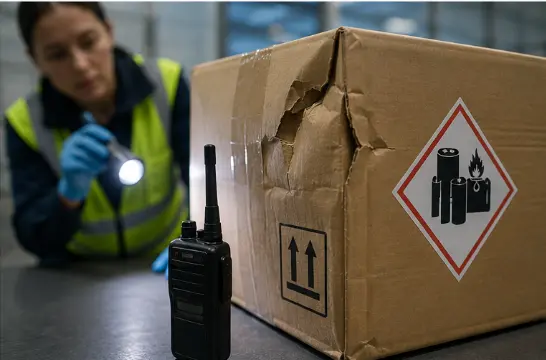
When reporting a potential Dangerous Goods concern, clear communication is essential.
Useful information may include:
- What was observed?
- Where was it found?
- Is there visible damage?
- Is anyone at immediate risk?
Providing accurate information helps others assess the situation more effectively.
Crew Coordination Principles
Aviation safety relies on teamwork.
During abnormal situations, personnel should:
- share relevant information
- avoid assumptions
- communicate clearly
- support established procedures
Good coordination contributes to effective decision-making.
Learning from Events
Not every safety report results in an accident.
In many cases, reporting helps identify risks before an incident occurs.
Safety reporting systems allow organisations to:
- identify trends
- improve procedures
- strengthen training
- reduce future risks
Safety Reporting Culture
A positive safety culture encourages personnel to raise concerns whenever something appears unusual or unsafe.
Reporting is not about assigning blame.
It is about supporting continuous improvement and safer aviation operations.
There are no comments for now.
to be the first to leave a comment.